Policy and governance
We develop national sports policies and set standards for competitions, ethics and compliance.

 About the commission
The National Sports Commission (NSC) is the Federal Government agency responsible for sports development in Nigeria. We formulate, implement and monitor the policies and programmes that grow sport and physical fitness across the country, from grassroots to elite level.
Sport in Nigeria should be an avenue for better health, the expression of talent and skill, and the alleviation of poverty.
 Our work
Nine ways the Commission develops athletes, facilities and the sports economy across the country.
We develop national sports policies and set standards for competitions, ethics and compliance.

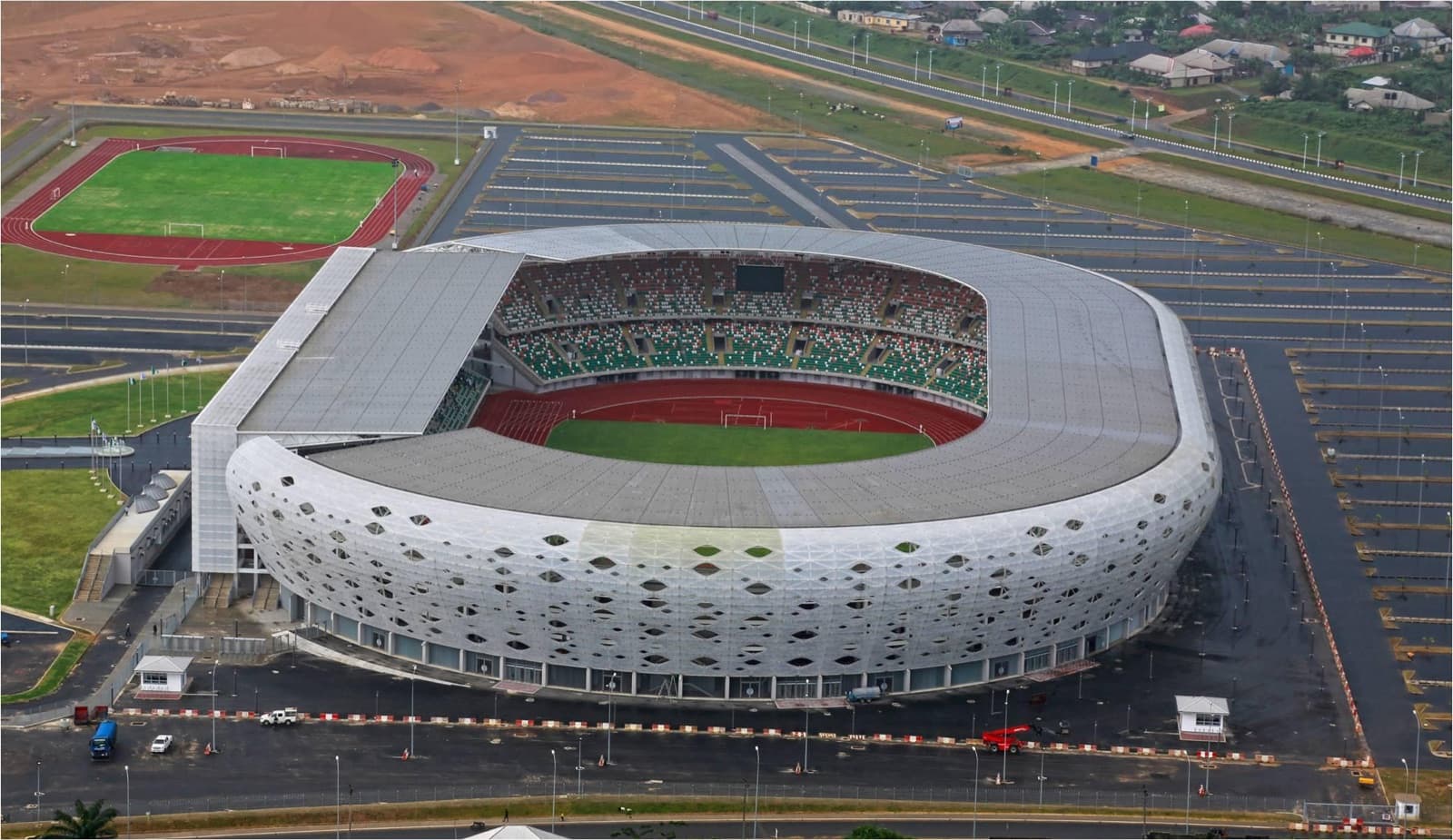
We plan, build, maintain and upgrade Federal sports facilities to international standards.

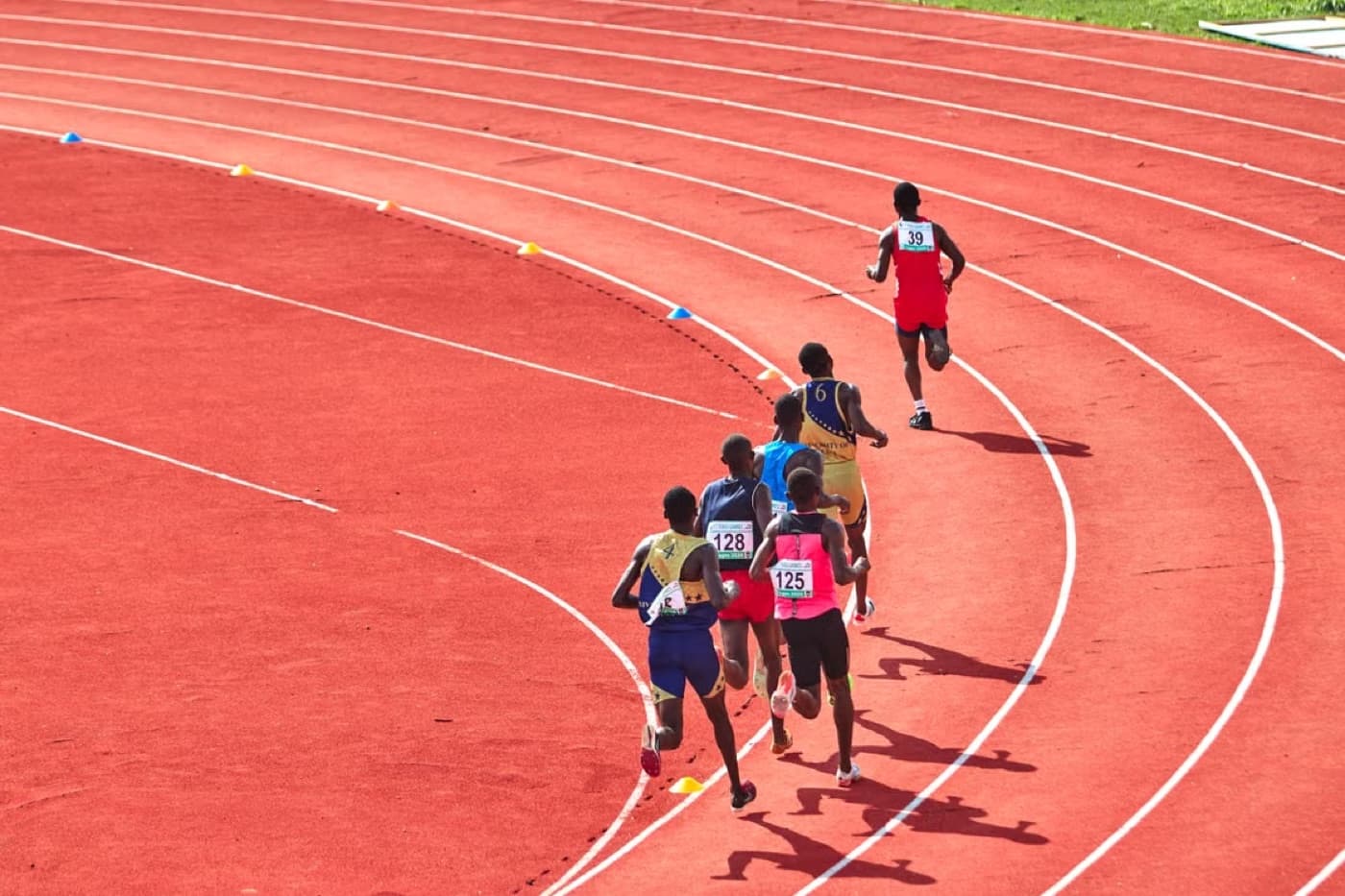
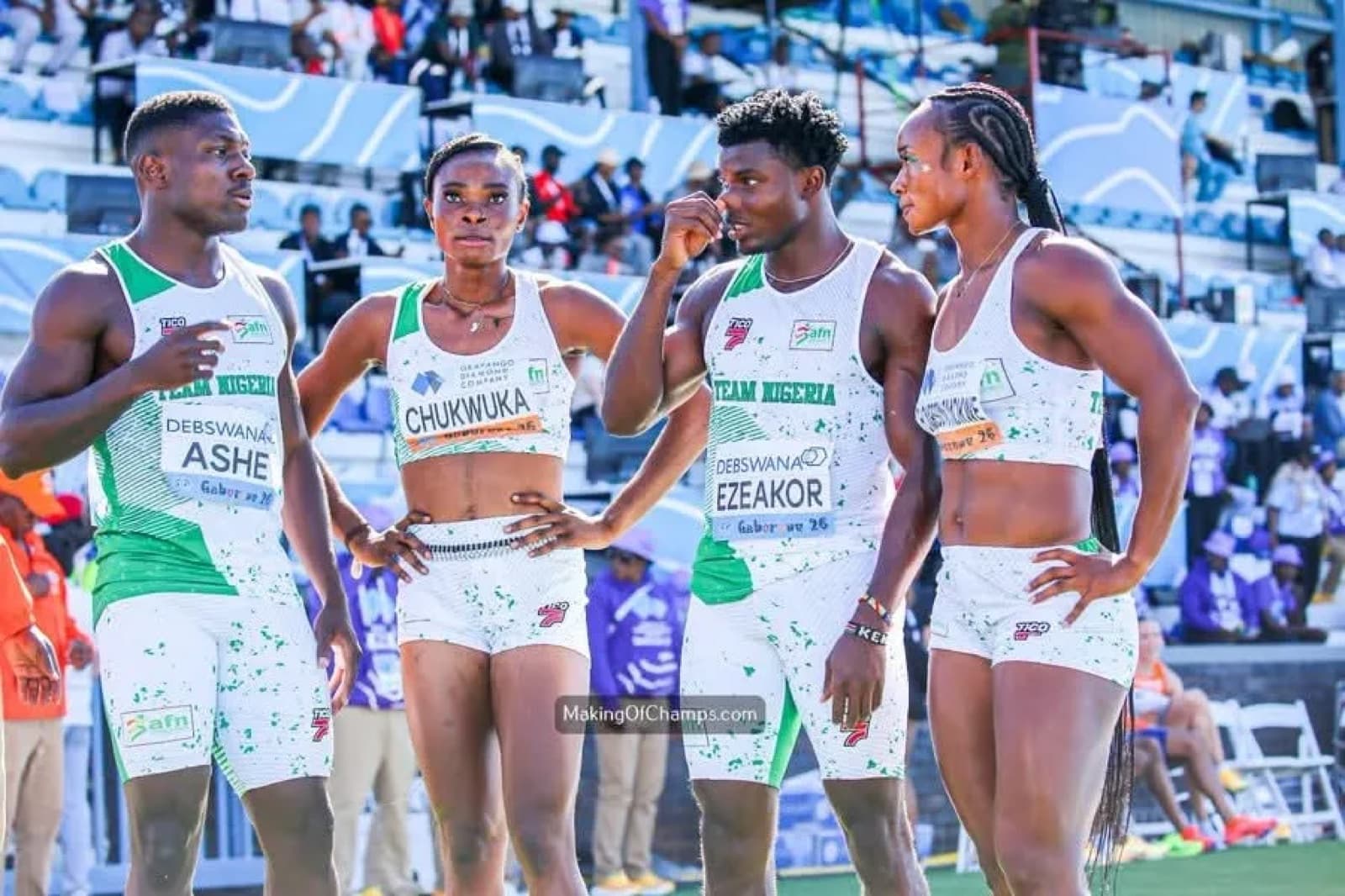
We identify and nurture athletes, and support coaches and sports administrators.

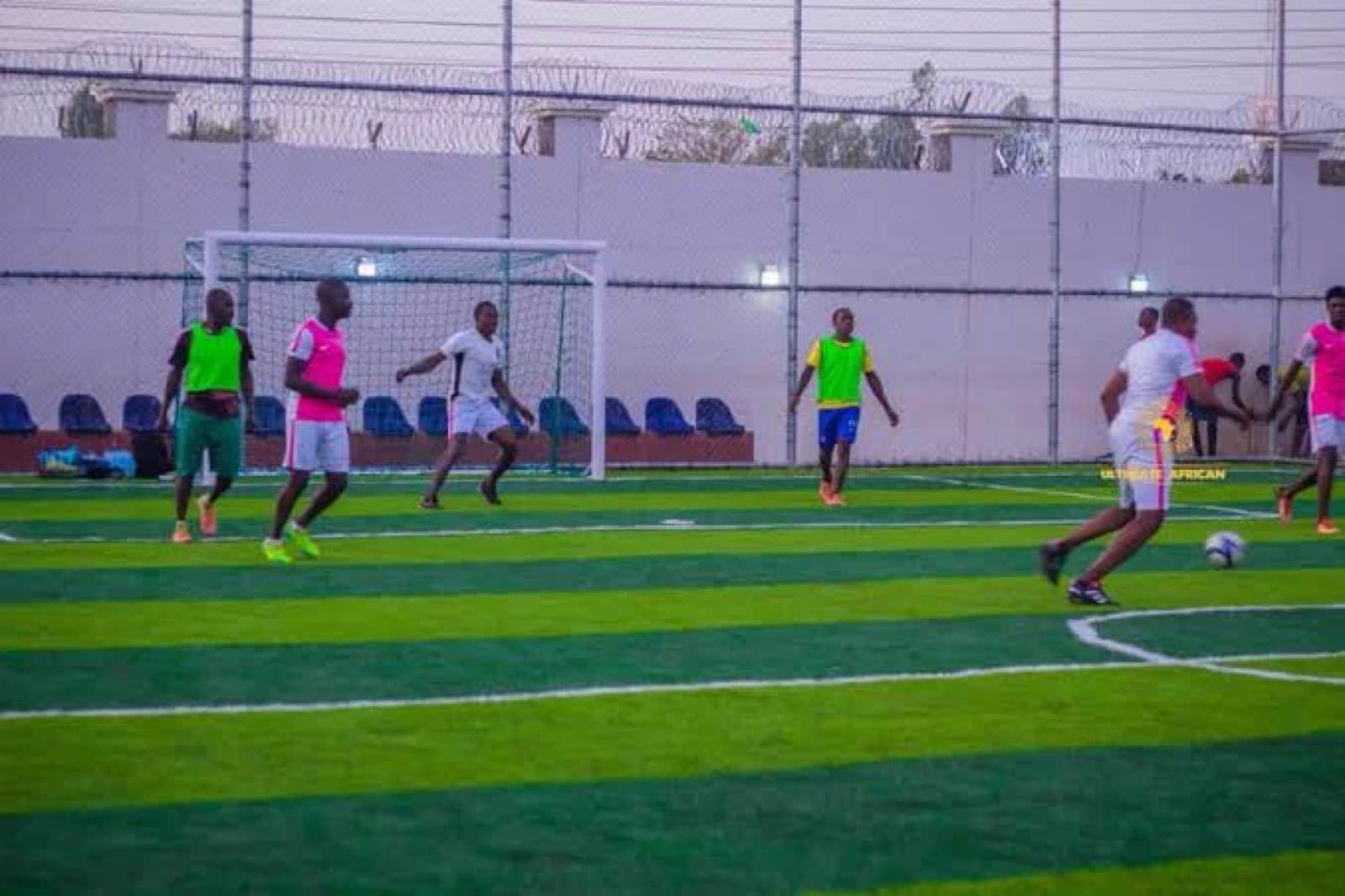
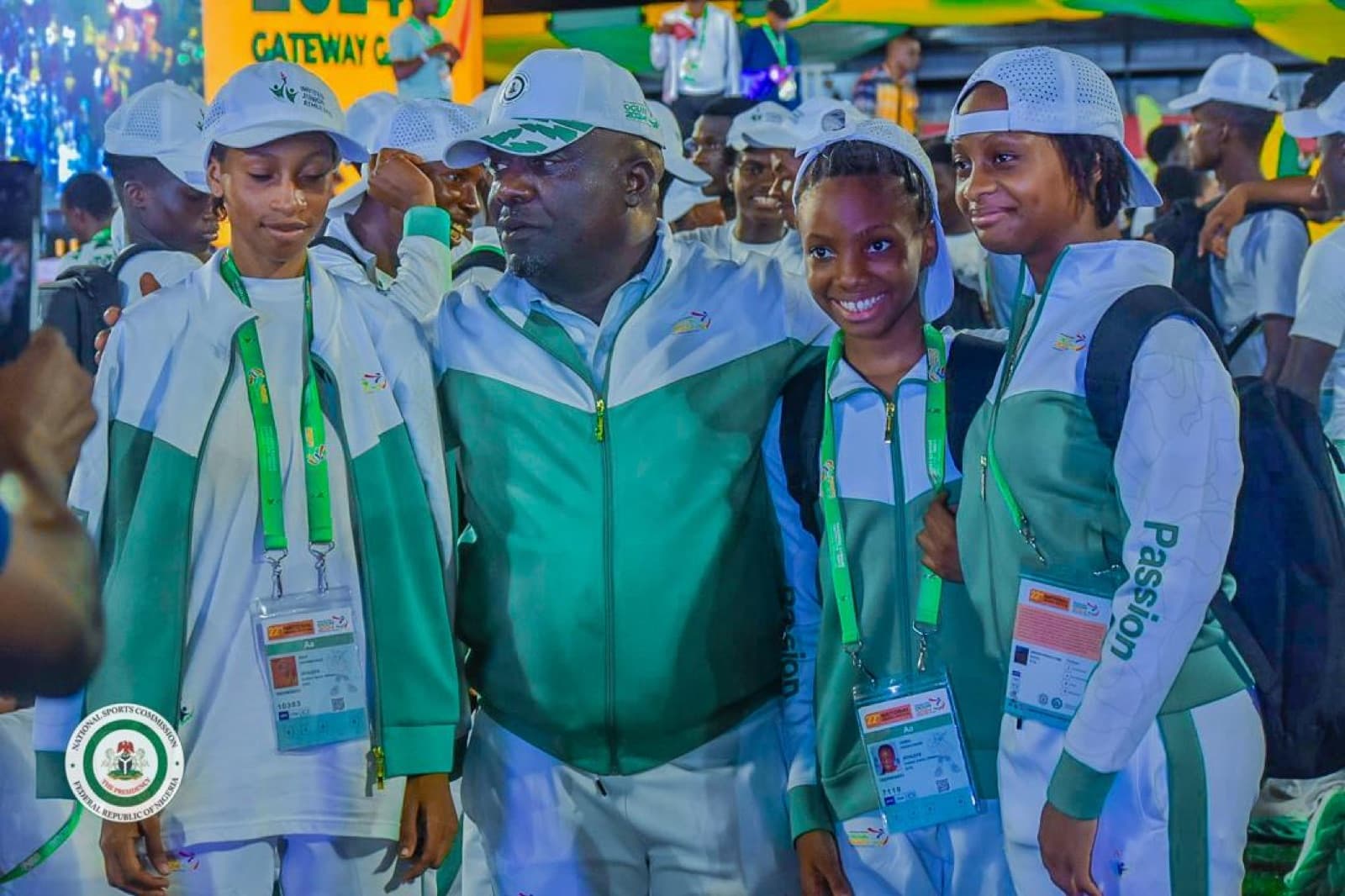
We encourage mass participation in sport and organise competitions at local, national and international levels.

We work with federations, clubs, the private sector and international sports bodies.

We promote sports science and new approaches to training, management and infrastructure.

We secure funding and attract private-sector sponsorship and investment.

We develop policies that unlock the economic potential of sport.

We promote sport as a tool for health, national unity and youth empowerment.

 Since 1962
Government involvement in Nigerian sport dates back to 1962, when the National Sports Council was established. Since then, responsibility for sport has moved between ministries and the National Sports Commission many times.
National Sports Commission eras
Frequent changes in the administration of sport have held back its growth in Nigeria. The Commission's current structure aims to provide stable, accountable leadership for the sector.
Our mandateTo formulate, implement, monitor and evaluate policies and programmes on sports development, towards wealth creation, youth empowerment, physical fitness and wellbeing, sporting excellence, national unity and sustainable development.
Where we are going
Sport as a strategic tool for national unity, job creation, and a significant driver of revenue and GDP growth.
How we get there
To bring life back into Nigerian sport, restore the joy of following sport to families, and make sport a source of national cohesion and livelihood for everyone who takes part.
Our 2027 economic target
What guides us
The principles that guide every decision, every programme and every athlete we support.

Integrity in every arena.
Sport that serves everyone.
A level field for all.
Capacity built to endure.
Standards without compromise.

Priorities
Where we’re investing our energy to build a stronger, more prosperous sports sector
Reform the sports sector to deliver inclusive economic growth, including the welfare of active and retired athletes.
Invest in education, health and social programmes so sport can run profitably and attract investment.
Improve sporting infrastructure to transform and grow the sports industry.
Accelerate sports industrialisation to create jobs through the digital economy and technology.
Use sport to strengthen national security by actively engaging young people.
Improve governance for effective service delivery in sport.
Leadership through the years
Since 1962, Nigerian sport has been led by 35 ministers, commissioners and chairmen.
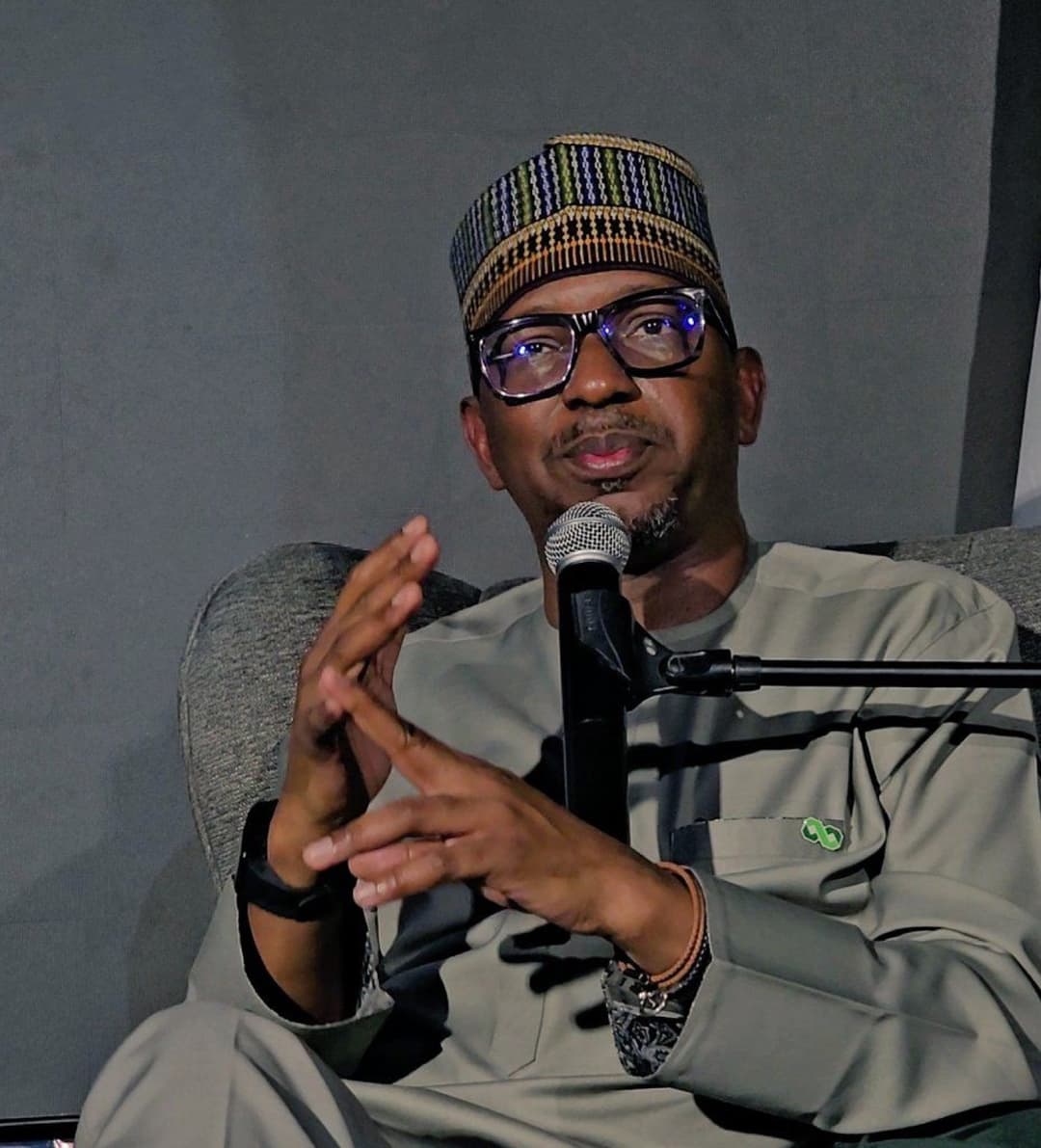
Current head of the Commission
Chairman, National Sports Commission
Shehu Dikko leads the National Sports Commission, overseeing the development of sport across Nigeria from grassroots to elite level. A seasoned sports administrator, he brings extensive experience in football governance and league management to the Commission’s mission of making sport a driver of national unity, job creation and economic growth.
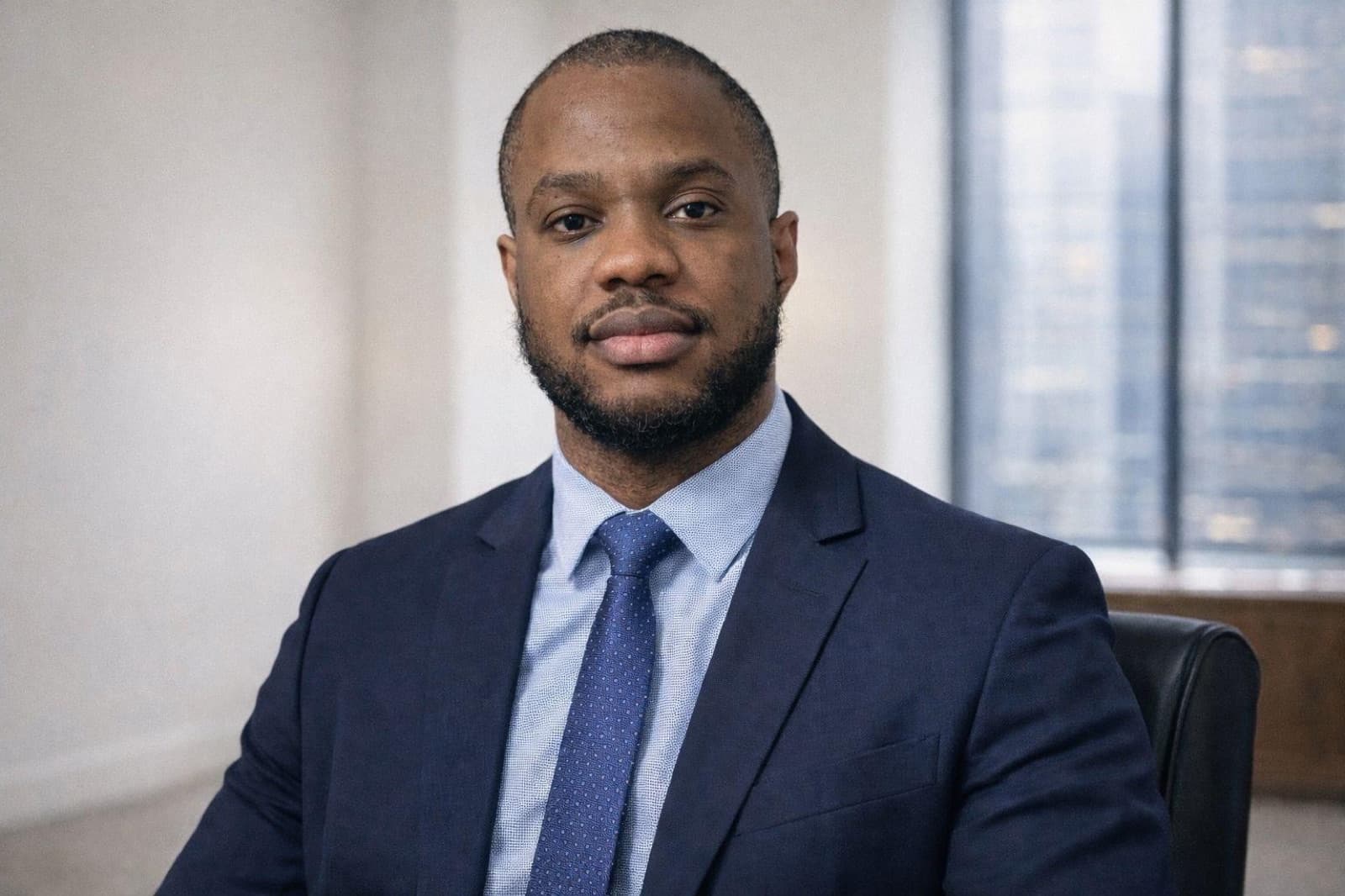
2015–2019
Minister of Youth & Sports Development
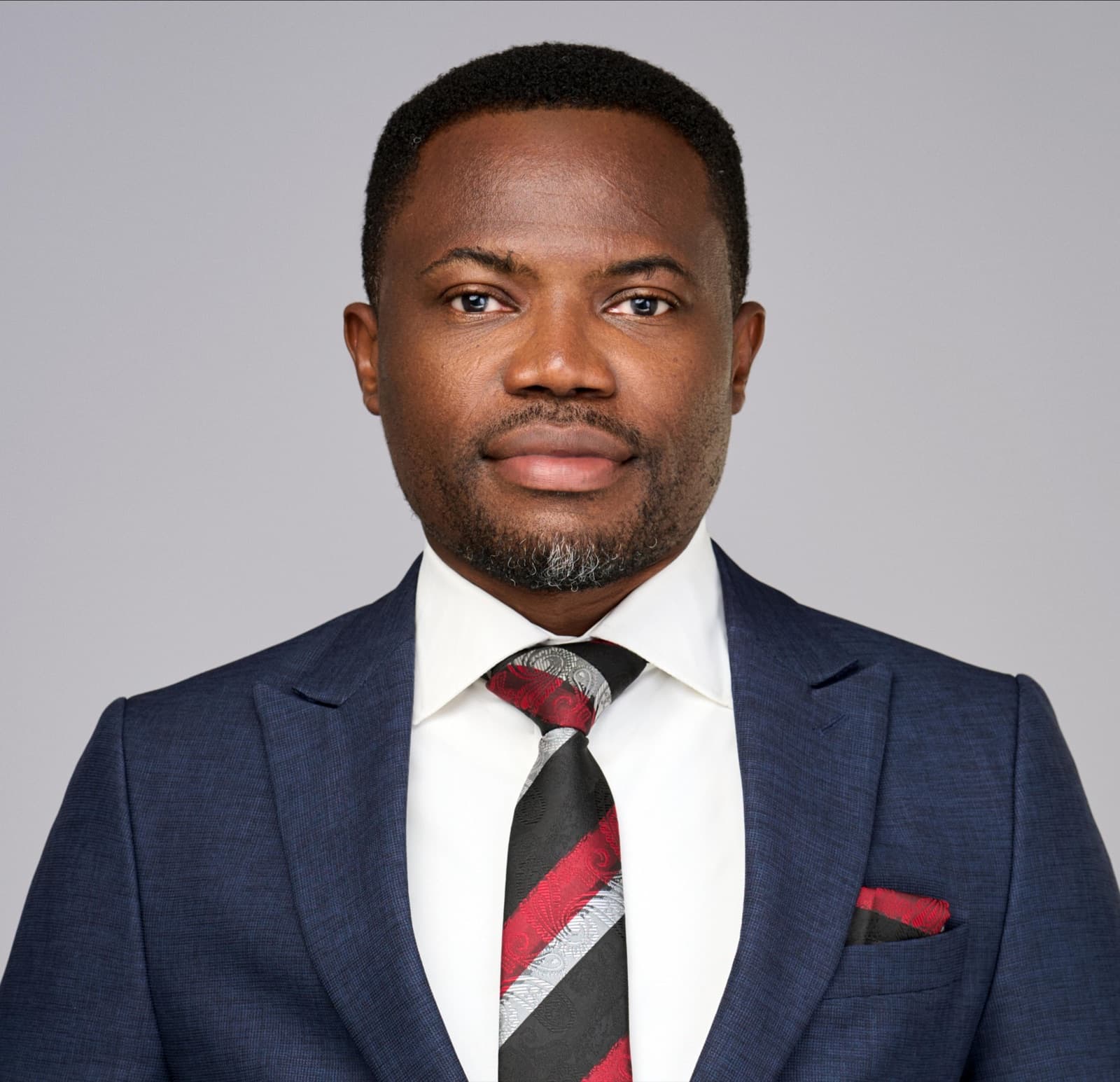
2014–2015
Minister/Chairman, National Sports Commission
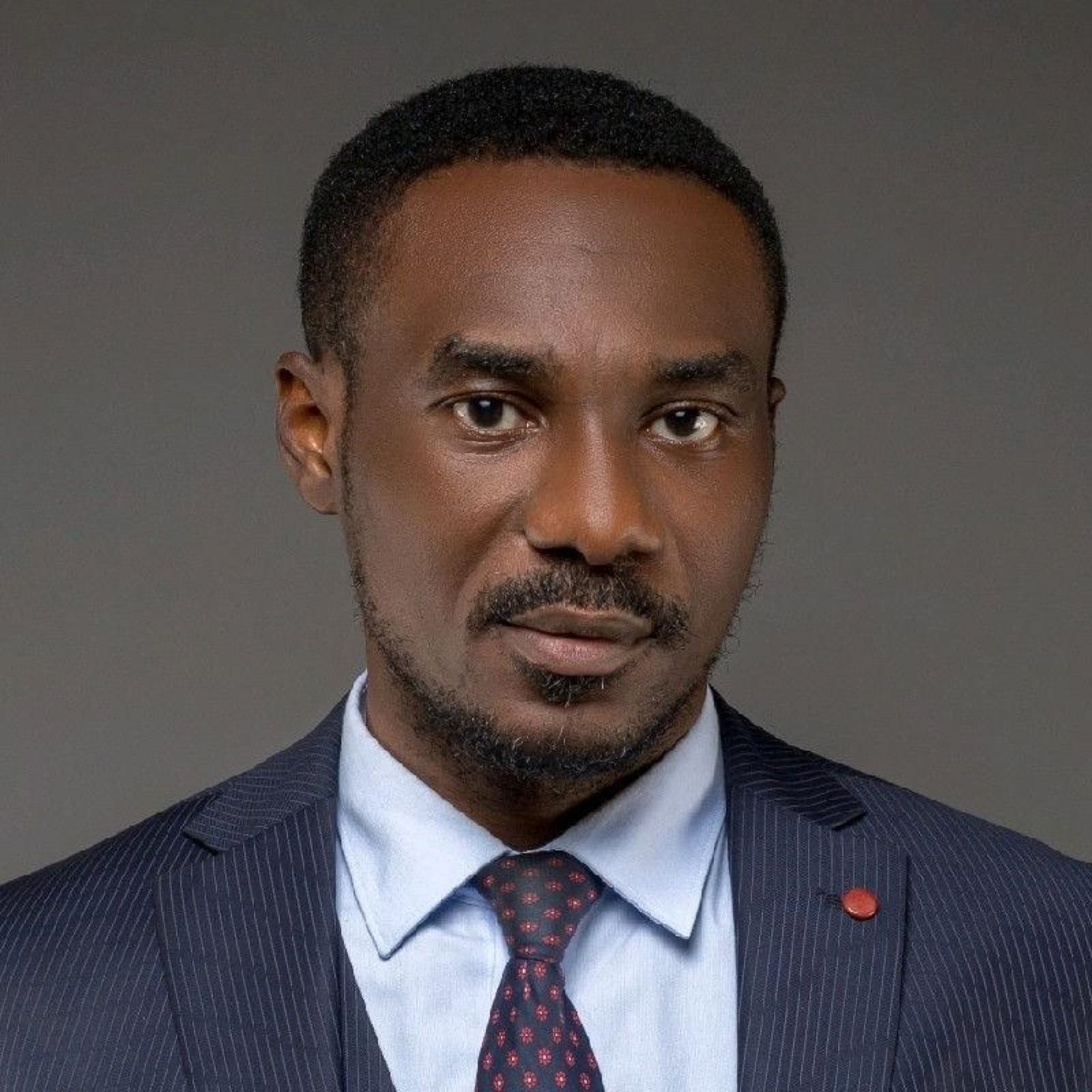
2015–2019
Minister/Chairman, National Sports Commission
Places to perform
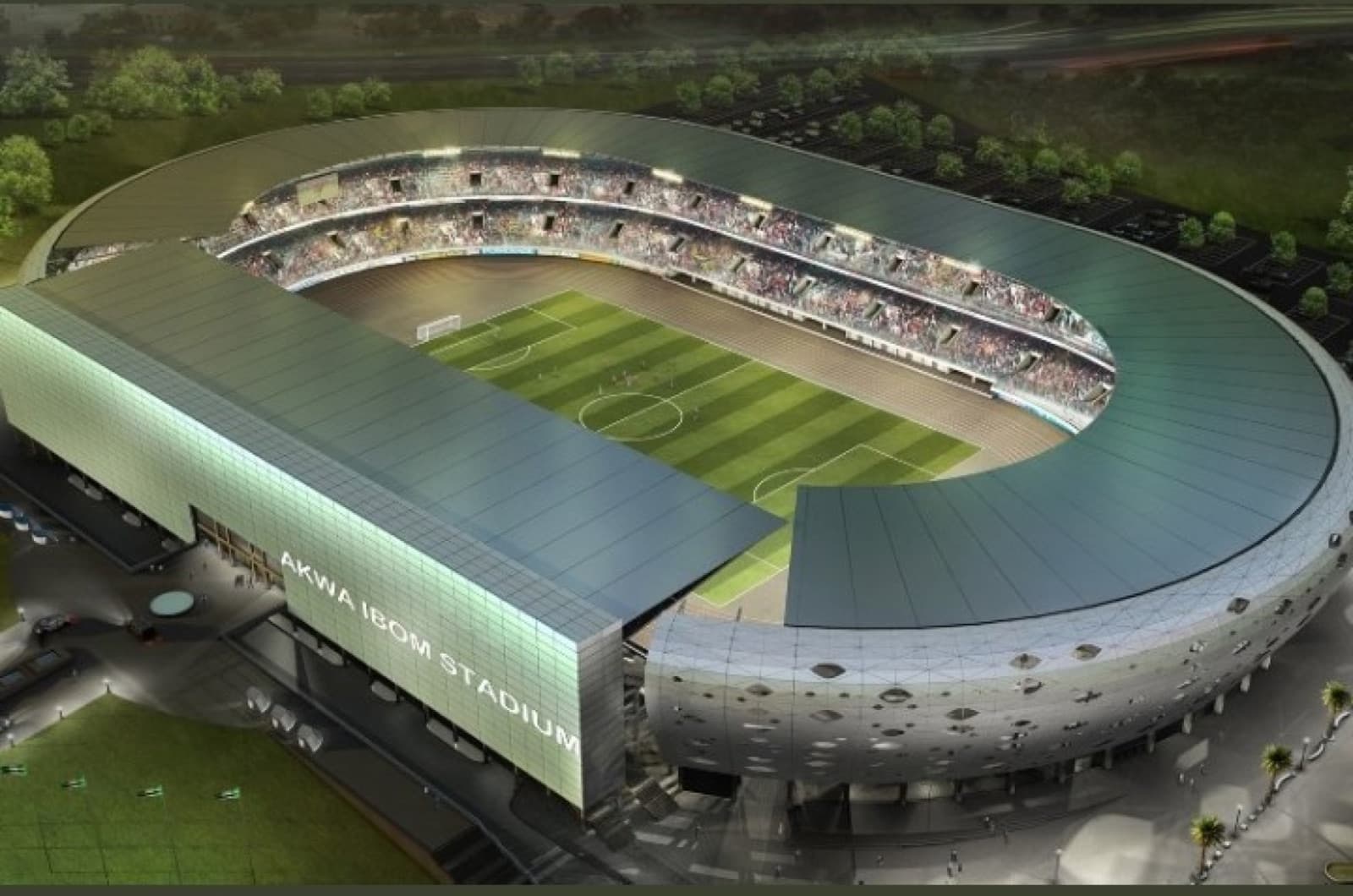
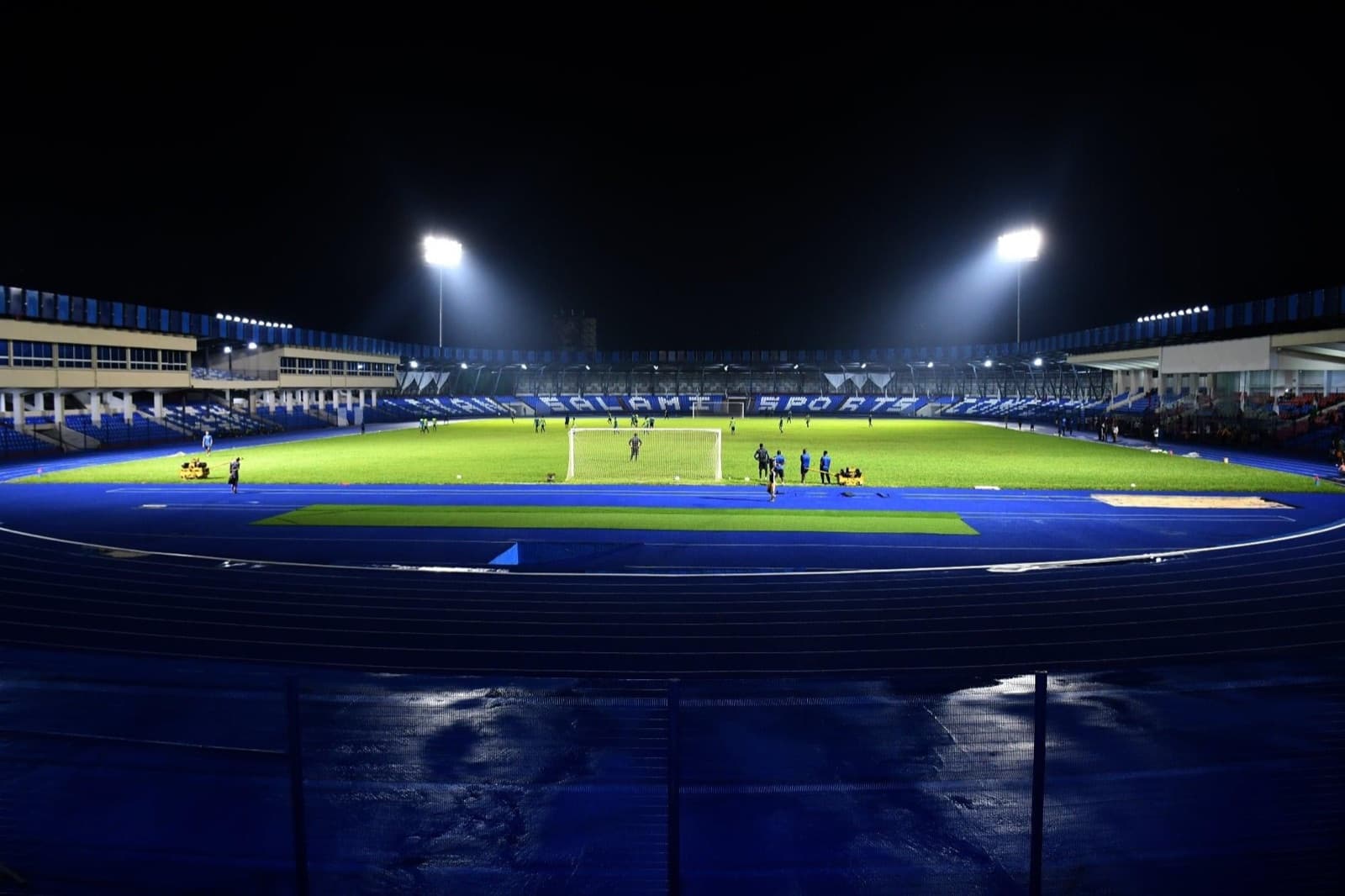
We manage and develop Federal sporting facilities across Nigeria, from national stadia to high-altitude training centres.